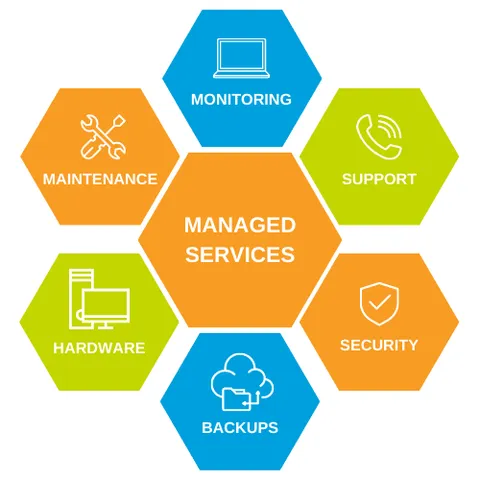
Comparing IT services quotes on price alone is the easiest comparison to make and one of the least reliable — two quotes that look similar on paper can represent very different actual coverage, responsiveness and documentation practices.
What you’ll learn
- What actually predicts a good IT provider relationship, beyond price
- Questions worth asking before signing
- What to check about documentation and exit terms specifically
Price tells you less than it looks like
A lower quote might reflect genuine efficiency, or it might reflect excluded scope — no guaranteed response time, minimal included maintenance, or support hours that don’t match when you actually need help. Compare quotes against a specific, written scope, not just a total number.
Response time should be specific, not implied
“We’ll get to it quickly” is not a commitment. A provider worth signing with can tell you, specifically, what response time is guaranteed for a critical issue versus a routine one, whether that’s for acknowledgement or resolution, and what happens contractually if they miss it. See our piece on realistic IT support response times for what’s actually reasonable to expect.
Documentation is the thing you don’t notice until it’s missing
A provider that documents what they install and manage — network diagrams, configuration records, an asset inventory — leaves you in a recoverable position if anything changes, including the relationship itself. A provider that doesn’t creates a dependency that’s invisible until you actually need that documentation and discover it doesn’t exist.
Capacity matters more than a sales pitch
A provider promising fast, attentive support needs the staff to actually deliver it consistently across their whole client base, not just for you during the sales conversation. Asking directly how many clients or devices they support per technician is a reasonable, specific question — a provider confident in their capacity will usually have a specific answer.
What happens if it doesn’t work out
This is worth settling before you sign, not after you’ve decided to leave. Confirm what documentation and access you retain, whether any configuration is proprietary to that provider’s tooling in a way that complicates switching, and what the actual offboarding process looks like.
Bringing it together
None of this replaces a direct conversation and, ideally, an independent assessment of what you actually need before comparing providers against it — but asking these specific questions turns a comparison based on a sales pitch into one based on what you’ll actually receive.