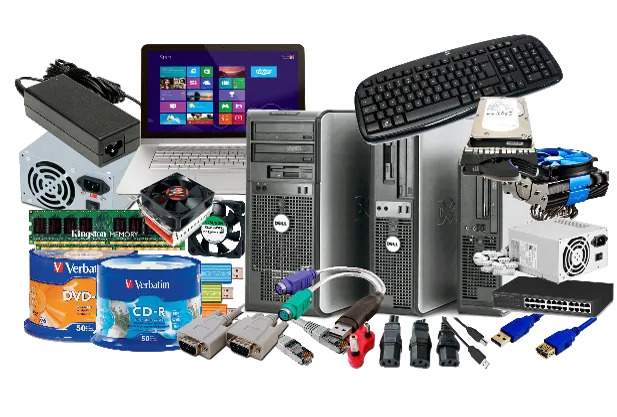
Setting up IT for a new business can feel like it needs everything at once — a network, security, cloud services, software, equipment — when in practice, most of that can wait until it’s actually needed. Here’s a practical starting point.
What you’ll learn
- What a first-time IT setup genuinely needs from day one
- What can reasonably wait
- How to avoid the most common overspending mistake
Start with the actual basics
A working network (even a simple one), reliable business email on your own domain rather than a free consumer address, basic device security, and a backup for whatever data genuinely matters. This is the floor, not the ceiling — most new businesses can run on this for a meaningful period before needing more.
Email and collaboration: get this right early
Microsoft 365 or an equivalent cloud email and file platform is worth setting up properly from the start rather than starting with free consumer email and migrating later — migration is more disruptive than starting correctly, and the cost difference is modest relative to the disruption saved.
Security: basic now, scaled later
You don’t need enterprise-grade security infrastructure on day one, but basic protections — device security, multi-factor authentication on email, a simple password policy — are worth building in from the start. These are inexpensive relative to retrofitting them after a problem, and they don’t need to be revisited as you grow the way infrastructure decisions sometimes do.
What can genuinely wait
Dedicated servers, custom software, a full cybersecurity monitoring service, and multi-site infrastructure are all things most new businesses don’t need immediately. Buying these before you’ve established the actual need is the most common overspending pattern we see — capability sized for a scale you haven’t reached yet, rather than for where you actually are.
Plan for growth without buying for it yet
The useful middle ground is choosing systems that can scale with you rather than needing replacement — Microsoft 365 rather than a fixed-capacity email server, for instance — without paying now for capacity you won’t use for years, if ever.
Getting a second opinion
If you’re unsure where your specific business sits on this spectrum, an IT strategy conversation scoped specifically to a first-time setup — not a generic enterprise checklist — is worth the relatively small cost against the larger cost of either under- or over-investing at the start.